
Get 20% Off On First Visit
Discover Our Latest Specials
Serving Arlington & Colleyville
GIVE $50. GET $50. GLOW TOGETHER.
Top

How to Repair Sun-Damaged Skin and Restore a Healthy Glow

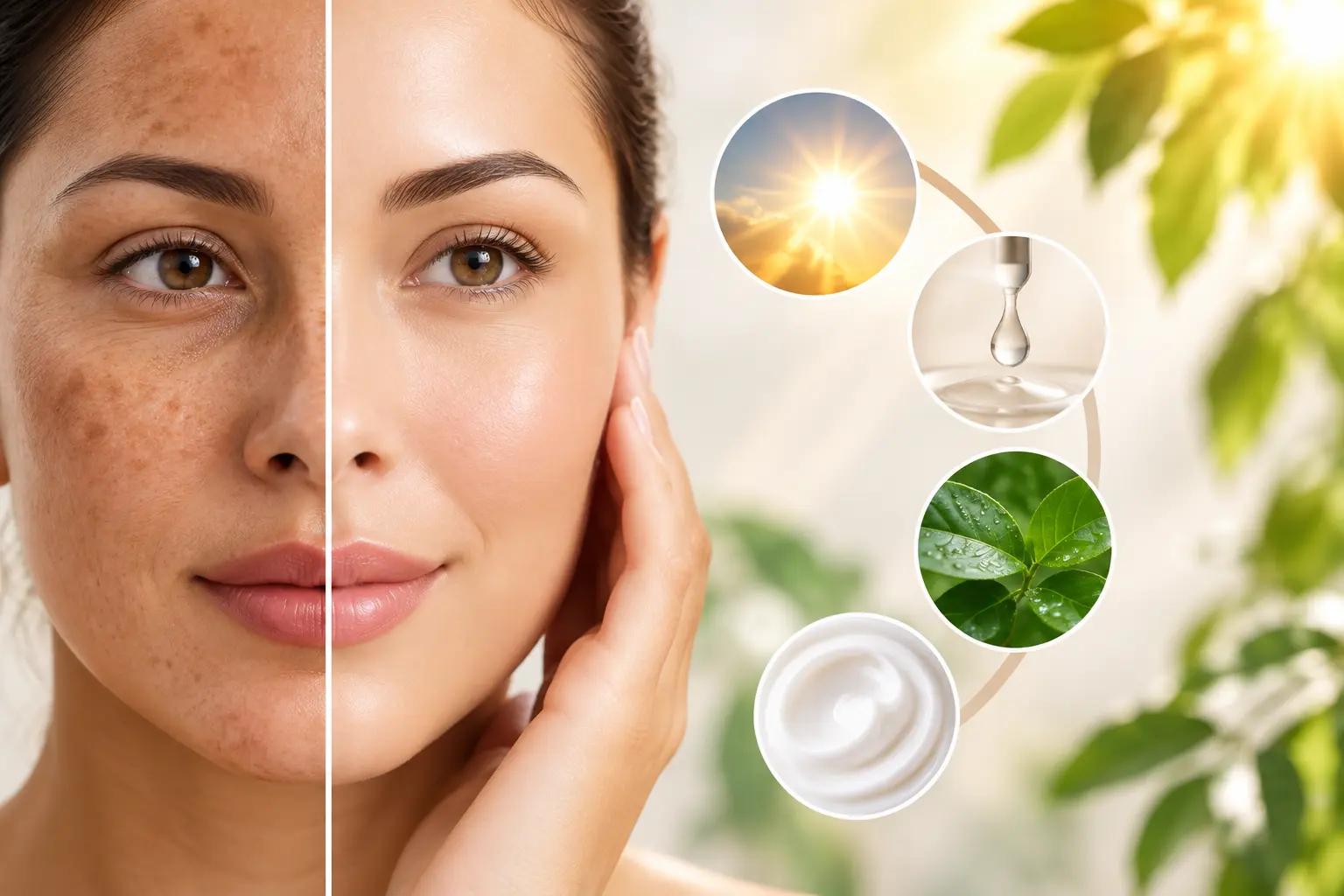
Years of sun exposure add up, even when it doesn’t feel that way at the time. Dark spots, rough texture, fine lines, and a dull or uneven skin tone are common signs that skin has absorbed more UV damage than it can repair on its own. For anyone wondering how to repair sun damaged skin, the answer depends on how much damage has built up and whether it’s being addressed at the surface level or deeper in the skin.

This guide covers what sun damage actually is, what it looks like, which parts of it can realistically be improved, and the range of treatments, from daily skincare habits to in-office procedures, that can help restore a more even, healthy-looking complexion.

At Glo & Glam MedSpa & Skin Care, treatment plans for sun-damaged skin are built around each patient’s skin type, goals, and degree of damage rather than a one-size-fits-all approach.

What Is Sun-Damaged Skin (Photoaging)?

Sun-damaged skin, medically referred to as photoaging, is the premature aging of skin caused by repeated exposure to ultraviolet A (UVA) and ultraviolet B (UVB) radiation. Cleveland Clinic explains that photodamage can come from natural sun exposure or artificial UV sources like tanning beds, and that this exposure ages skin faster than it would naturally age while also increasing skin cancer risk.

Because this damage accumulates gradually, its effects are often not fully visible until years after the exposure occurred, which is part of why sun damage tends to catch people off guard.

What Does Sun-Damaged Skin Look Like?

Sun damage can show up in a number of ways, and most people experience a combination of the following:

● Sunspots or age spots on the face, chest, and hands
● Rough or leathery skin texture
● Fine lines and premature wrinkles
● Uneven skin tone or blotchiness
● Broken capillaries or persistent redness
● Loss of firmness or elasticity

Identifying which of these you’re dealing with is the first step toward choosing the right treatment approach.

Can Sun Damage Be Reversed?

This is one of the most common questions people have, and the honest answer is: partially. Sun damage at the cellular level isn’t something that can be completely undone, but many of its visible effects, including sunspots, rough texture, and fine lines, can be meaningfully improved.

According to Cleveland Clinic, treatment options for repairing sun-damaged skin include retinoids, lightening agents, chemical peels, laser skin resurfacing, dermabrasion, and fillers. The right combination depends on the type and depth of damage present, which is best assessed during a professional consultation.

At-Home Care for Sun-Damaged Skin

A consistent at-home routine is the foundation of any sun damage repair plan and can meaningfully slow further damage while supporting the results of in-office treatments:

● Daily broad-spectrum SPF, applied year-round and not just during outdoor activities
● Vitamin C serum, an antioxidant that can help fade discoloration and protect against future UV exposure
● Retinoids, which support cell turnover and can gradually improve texture and pigmentation
● Consistent hydration to support the skin barrier while it repairs

At-home products can improve the outermost layers of skin over time, but they generally can’t reach the deeper structural damage that more advanced sun exposure causes. For that level of correction, in-office treatment is typically needed. Medical-grade skincare lines like ZO Skin Health and SkinCeuticals are formulated for this purpose and are often built into a treatment plan alongside in-office procedures.

In-Office Treatments to Repair Sun-Damaged Skin

Professional treatments can address sun damage more directly than at-home products alone, often with visible results in a shorter timeframe.

Chemical peels remove damaged outer layers of skin, which encourages fresher, more even-toned skin to surface. Peels can be customized from a light treatment to a deeper one, depending on the degree of sun damage present.

IPL (Intense Pulsed Light) targets pigment in the skin directly, making it particularly effective for sunspots, freckling, and redness caused by broken capillaries.

Laser resurfacing addresses texture, fine lines, and deeper pigmentation at the same time, and is often recommended for patients dealing with more than surface-level discoloration.

A provider can help determine which treatment, or combination of treatments, fits your skin and goals. Learn more about the full range of options on the Lasers & Energy services page.

How Much Does Sun Damage Treatment Cost?

The cost of treating sun-damaged skin varies based on the treatment type, the size and number of areas being addressed, and how many sessions are needed to reach your goals. A single chemical peel, for example, is typically priced differently than a series of laser resurfacing sessions.

Because pricing depends on an individualized treatment plan, it’s best to request pricing after a consultation rather than relying on a general estimate. Patients interested in ongoing treatment may also want to review Glo & Glam memberships or current specials for potential savings.

Sun Damage Repair in Arlington & Colleyville: What Should You Look For?

Anyone searching for sun damage treatment in Arlington, TX should look for a provider that evaluates skin individually rather than applying the same treatment to every patient. A thorough consultation should take into account skin tone, the depth and type of sun damage, treatment goals, and any relevant medical history.

Glo & Glam has locations in Viridian/Arlington and Colleyville, both offering complimentary consultations to help determine the right treatment path.

How to Prepare for Your Consultation

Getting the most out of a consultation means going in with the right questions. Consider asking your provider:

1. Which treatment, or combination of treatments, is recommended for my skin?

2. How many sessions will I likely need to see results?

3. What should I expect during recovery, if any?

4. How should I adjust my at-home routine to support treatment?

5. What results are realistic for my level of sun damage?

6. What is the cost for individual sessions versus a treatment package?

A knowledgeable provider should be able to walk you through the reasoning behind your recommended treatment plan.

Final Thoughts

Sun damage builds up gradually, but repairing it doesn’t have to be complicated. A combination of daily sun protection, the right at-home products, and professional treatments like chemical peels, IPL, or laser resurfacing can meaningfully improve the appearance of sun-damaged skin.

If you’re ready to talk through your options, schedule a complimentary consultation at Glo & Glam’s Arlington or Colleyville location, or read patient reviews to see what others have experienced.

Frequently Asked Questions

Can sun damaged skin be repaired?

Many visible signs of sun damage, including sunspots, rough texture, and fine lines, can be meaningfully improved through a combination of at-home skincare and in-office treatments such as chemical peels, IPL, and laser resurfacing. Damage at the cellular level can’t be fully undone, but treatment can significantly improve the skin’s appearance.

How long does it take to repair sun damaged skin?

Timelines vary depending on the treatment and the extent of damage. At-home routines typically take several weeks to months to show gradual improvement, while in-office treatments like chemical peels or IPL can show visible results within days to a few weeks, often requiring a series of sessions for best results.

What is the best treatment for sun damaged skin?

There isn’t a single best treatment for everyone. Chemical peels, IPL, and laser resurfacing each address different types of damage, and a provider can recommend the right option, or combination, based on your specific skin concerns.

Can you reverse sun damage naturally?

At-home habits like daily SPF, vitamin C serums, and retinoids can improve mild sun damage over time, but they generally can’t address deeper structural changes. More significant damage typically requires professional treatment for meaningful improvement.

Does sunscreen help repair existing sun damage?

Sunscreen doesn’t repair existing damage, but it’s essential for preventing further damage while other treatments and products do the work of improving your skin’s current condition.

Where can I get sun damage treatment in Arlington, TX?

Glo & Glam MedSpa & Skin Care has a Viridian/Arlington location at 4080 North Collins Street, Suite 100, Arlington, TX 76005, as well as a Colleyville location, and offers a range of treatments for sun-damaged skin.
Laser Hair Removal Guide: Everything You Need to Know Before Treatment

Unwanted body hair can be frustrating to manage with shaving, waxing, tweezing, or depilatory creams. These methods can require frequent maintenance and may sometimes lead to razor burn, ingrown hairs, or skin irritation. Laser hair removal offers a longer-term approach by using concentrated light energy to target hair follicles and reduce future hair growth.

For anyone considering treatment, understanding how laser hair removal works, how many sessions you may need, how to prepare, what recovery involves, and what results to expect can make the process much easier. This laser hair removal guide covers the key information you should know before scheduling treatment.

At Glo & Glam MedSpa & Skin Care, laser services are part of a broader range of aesthetic treatments designed around individualized treatment plans. You can explore Glo & Glam to learn more about the practice and its approach to aesthetic care.

What Is Laser Hair Removal?

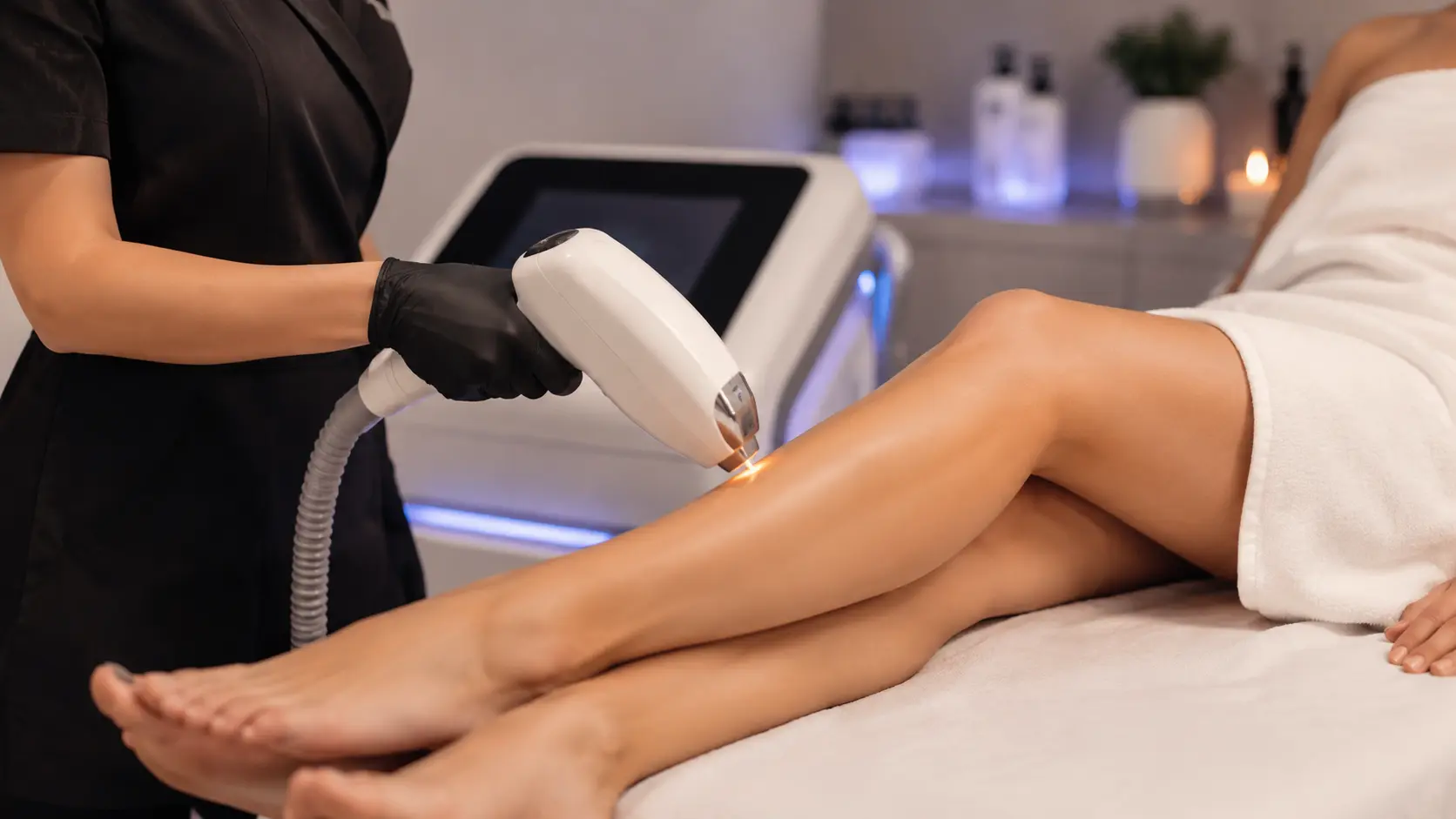
Laser hair removal is a cosmetic treatment that uses laser energy to target the pigment within hair follicles. The energy is absorbed by the follicle and converted into heat, which can impair the follicle’s ability to produce hair.

Because hair grows in different stages, a single treatment cannot effectively target every follicle at once. This is why laser hair removal is generally performed as a series of treatments spaced several weeks apart. Cleveland Clinic notes that many patients require multiple treatments, often in the range of four to six or more depending on individual factors.

Laser technology can be used on a variety of areas, including the face, underarms, bikini area, legs, arms, chest, back, and other body regions. The appropriate laser and settings depend on factors such as hair color, hair thickness, skin tone, treatment area, and individual response.

You can also learn more about Glo & Glam’s laser treatments before deciding which service may be appropriate for you.

How Does Laser Hair Removal Work?

During treatment, a laser device delivers controlled pulses of light energy to the treatment area. The pigment in the hair absorbs the energy, allowing heat to reach the follicle.

The goal is not to remove every visible hair instantly. Instead, the treatment progressively reduces active hair growth over a series of appointments. Hair that has been treated may shed gradually following the procedure, while follicles in later growth stages are addressed during subsequent sessions.

A consultation is important because laser treatment settings should be selected according to the individual’s skin and hair characteristics. Using an inappropriate wavelength or energy level can increase the risk of unwanted skin reactions, particularly pigment changes.

For treatment-specific information, visit the Glo & Glam laser hair removal service page.

How Many Laser Hair Removal Sessions Are Needed?

One of the most common questions people ask is, “how many laser hair removal sessions needed?” There is no single number that applies to everyone.

Many patients need a series of treatments rather than a single appointment. A common treatment plan involves approximately four to eight sessions, although the exact number can vary based on the treatment area, hair density, hair color, skin tone, hormonal factors, and how the individual responds to treatment.

Appointments are generally spaced several weeks apart so that different hair-growth cycles can be addressed. Facial hair may behave differently from body hair, and areas influenced by hormonal changes may require additional maintenance.

Your provider should evaluate your skin and hair during a consultation rather than promising a fixed number of treatments before seeing you.

Is Laser Hair Removal Permanent?

A common question is, “is laser hair removal permanent?”

Laser hair removal is better understood as long-term hair reduction rather than a guarantee that every treated hair will be permanently eliminated. Many patients experience a substantial and lasting decrease in hair growth after completing a treatment series, but some hair can eventually regrow.

Any regrowth is often finer or lighter than the original hair. Maintenance treatments may also be recommended over time, particularly for areas affected by hormonal changes. Cleveland Clinic notes that some patients may benefit from maintenance treatments approximately every six to twelve months.

This distinction is important when setting realistic expectations. The objective is usually significant reduction in unwanted hair and less frequent shaving or waxing, rather than an absolute guarantee of zero hair forever.

Laser Hair Removal Before and After Care

Following appropriate laser hair removal before and after care instructions can help support both treatment effectiveness and skin comfort.

Before Your Treatment

Preparation may include:

  • Avoiding tanning beds and minimizing sun exposure before treatment.
  • Avoiding waxing, tweezing, and plucking because these methods remove the hair from the follicle that the laser needs to target.
  • Shaving the treatment area as instructed by your provider.
  • Arriving with clean skin and avoiding products that may irritate the area.
  • Informing your provider about medications, skin conditions, recent tanning, or other factors that could affect treatment.

Cleveland Clinic recommends avoiding tanning and certain hair-removal methods before treatment and advises shaving the area as directed by the provider.

Your provider may give you additional instructions based on your skin type and the area being treated.

After Your Treatment

It is common to experience temporary redness, swelling, or a mild stinging sensation following laser hair removal. These effects generally settle with time.

After treatment:

  • Keep the area clean and treat the skin gently.
  • Avoid vigorous scrubbing or picking at irritated areas.
  • Minimize sun exposure while the skin is recovering.
  • Use broad-spectrum sunscreen when the treated area is exposed to sunlight.
  • Follow any product or activity restrictions provided by your treatment professional.

Sun protection is particularly important because treated skin may be more susceptible to pigment changes after laser treatment.

What Areas Can Be Treated?

Laser hair removal can be performed on many areas of the body. Common treatment areas include:

  • Upper lip and chin
  • Face and neck
  • Underarms
  • Bikini area
  • Arms
  • Legs
  • Chest and abdomen
  • Back

The treatment plan may differ depending on the body area. Facial hair, for example, can be more hormonally influenced, while larger areas such as the legs or back require more time and laser pulses.

Glo & Glam provides laser-focused aesthetic services for clients in the Arlington and Colleyville areas. Visit the laser hair removal service page to review the treatment offering.

How Much Does Laser Hair Removal Cost Per Session?

The laser hair removal cost per session can vary considerably. There is no universal price because treatment costs are influenced by the size of the area, the number of areas being treated, the technology used, the provider, and whether the patient purchases a package.

For example, smaller treatment areas generally cost less than large areas such as full legs or full back. Packages containing multiple treatments may also offer different pricing than individual appointments.

Current Arlington-area pricing examples show that costs can range from lower-priced treatments for small areas to several hundred dollars for larger treatment areas, demonstrating why patients should request individualized pricing rather than relying on a single advertised figure.

When comparing providers, consider more than the price alone. Treatment technology, provider experience, skin-type considerations, consultation quality, aftercare, and the overall treatment plan can all affect your experience and results.

You can also review Glo & Glam memberships to see whether membership options may fit your ongoing aesthetic care needs.

Laser Hair Removal in Arlington, TX: What Should You Look For?

People searching for laser hair removal Arlington TX should look for a provider that takes a personalized approach rather than offering a one-size-fits-all treatment.

A good consultation should address your skin tone, hair color, hair density, treatment goals, medical history, previous tanning or sun exposure, and any medications or skin conditions that may influence treatment.

The provider should also explain realistic results and possible side effects. Temporary irritation and pigment changes can occur, while more serious complications such as blistering or scarring are less common but possible.

Glo & Glam has an Arlington location in Viridian, as well as a Colleyville location. You can view all Glo & Glam locations to find the office that works best for you.

How to Prepare for Your First Consultation

Your consultation is an important part of the laser hair removal process. Rather than focusing only on appointment availability or cost, use the consultation to determine whether the treatment is appropriate for you.

Consider asking:

  1. Which laser technology is recommended for my skin tone and hair type?
  2. How many sessions are likely to be needed?
  3. How far apart should appointments be scheduled?
  4. What should I avoid before and after each treatment?
  5. What results should I realistically expect?
  6. Will maintenance treatments be necessary?
  7. What is the price for individual sessions and treatment packages?

A knowledgeable provider should be able to explain the reasoning behind your treatment plan clearly.

Why Professional Laser Hair Removal Can Be Worth Considering

For people who spend significant time shaving or scheduling waxing appointments, reducing unwanted hair growth can simplify their regular grooming routine.

Laser hair removal may also appeal to individuals who experience frequent razor irritation or ingrown hairs associated with shaving and waxing. However, results and candidacy vary, so an individualized assessment remains important.

The overall goal should be a treatment plan that balances effectiveness, safety, expectations, and long-term maintenance.

Final Thoughts

Laser hair removal can provide a convenient approach to long-term hair reduction, but understanding the treatment process is essential before getting started. Most people need multiple sessions because hair follicles grow at different stages, and maintenance treatments may be needed to preserve results over time.

Proper preparation and aftercare are equally important. Protecting your skin from excessive sun exposure, avoiding waxing or plucking before treatment, following shaving instructions, and using gentle skincare afterward can help support a safer treatment experience.

If you are considering laser hair removal in Arlington, TX, start with a professional consultation and ask for a treatment plan based on your individual skin, hair, and goals. You can also view current Glo & Glam specials or read patient reviews before scheduling.

Frequently Asked Questions

How many laser hair removal sessions are usually needed?

Many people need multiple treatments, commonly around four to eight sessions, because laser energy is most effective when hair follicles are in an appropriate growth stage. The exact number varies based on the treatment area, hair characteristics, skin tone, hormonal factors, and individual response. Your provider can estimate your treatment needs during a consultation.

Is laser hair removal permanent?

Laser hair removal is generally considered long-term hair reduction rather than a guarantee of permanent removal of every hair. After a treatment series, many people experience significantly less hair growth, and remaining hair may be finer or lighter. Some patients require periodic maintenance treatments to maintain their results.

Does laser hair removal hurt?

The sensation varies from person to person and depends on the treatment area and laser technology. Many patients describe the pulses as a snapping or stinging sensation. Temporary redness, swelling, or mild discomfort can occur afterward, but these effects generally improve as the skin recovers.

What should I avoid before laser hair removal?

Avoid tanning and excessive sun exposure before treatment, and do not wax, tweeze, or pluck the hair in the treatment area because the follicle needs to remain present for the laser to target it. Shaving is commonly recommended according to your provider’s specific instructions.

How much does laser hair removal cost per session?

The cost varies according to the size and location of the treatment area, provider, technology, and whether you choose individual treatments or a package. Smaller areas generally cost less than larger areas. The best way to determine your laser hair removal cost per session is to request pricing after your treatment area and goals have been evaluated.

Can laser hair removal be performed on all skin tones?

Laser hair removal can be performed on a range of skin types, but the choice of technology and treatment settings is important. Skin tone, hair pigment, and laser type all influence safety and effectiveness. A qualified professional should assess your skin and hair before treatment and customize the settings accordingly.

How often are laser hair removal treatments scheduled?

Treatments are generally spaced several weeks apart rather than performed back-to-back. The exact schedule depends on the body area, hair-growth cycle, and your provider’s treatment plan. Following the recommended interval allows additional follicles to be treated during later stages of the hair-growth cycle.

When can I shave after laser hair removal?

Shaving is generally compatible with a laser hair removal treatment plan, unlike waxing or plucking, but your provider may recommend waiting until temporary redness or irritation has settled. Follow the aftercare instructions provided for your specific treatment area and skin response.

Where can I get laser hair removal in Arlington, TX?

Glo & Glam MedSpa & Skin Care has a Viridian/Arlington location at 4080 North Collins Street, Suite 100, Arlington, TX 76005. The practice also has a Colleyville location and provides laser and other aesthetic services.