Get 20% Off On First Visit
Discover Our Latest Specials
Serving Arlington & Colleyville
Top

HydraFacial Benefits: Why It’s the Go-To Treatment for Glowing Skin

Healthy-looking skin does not always require an aggressive treatment. For people dealing with dullness, dryness, clogged pores, uneven texture, or a lack of radiance, a HydraFacial can provide a convenient way to refresh the skin without the downtime associated with many more intensive procedures.

The growing popularity of HydraFacial treatments comes from their combination of several skincare steps in one session. A typical HydraFacial uses specialized technology to cleanse, exfoliate, extract impurities, and infuse the skin with hydrating and nourishing solutions. Cleveland Clinic describes the treatment as a noninvasive resurfacing procedure that combines exfoliation, a chemical peel, extractions, and an infusion of antioxidants and hyaluronic acid.

Understanding the HydraFacial benefits can help you determine whether the treatment fits your skincare goals. Here is what patients should know before booking a HydraFacial, including how it compares with a regular facial and how frequently treatments may be appropriate.

What Does a HydraFacial Do?

If you are asking, what does a HydraFacial do, the answer starts with its multi-step approach to skin care.

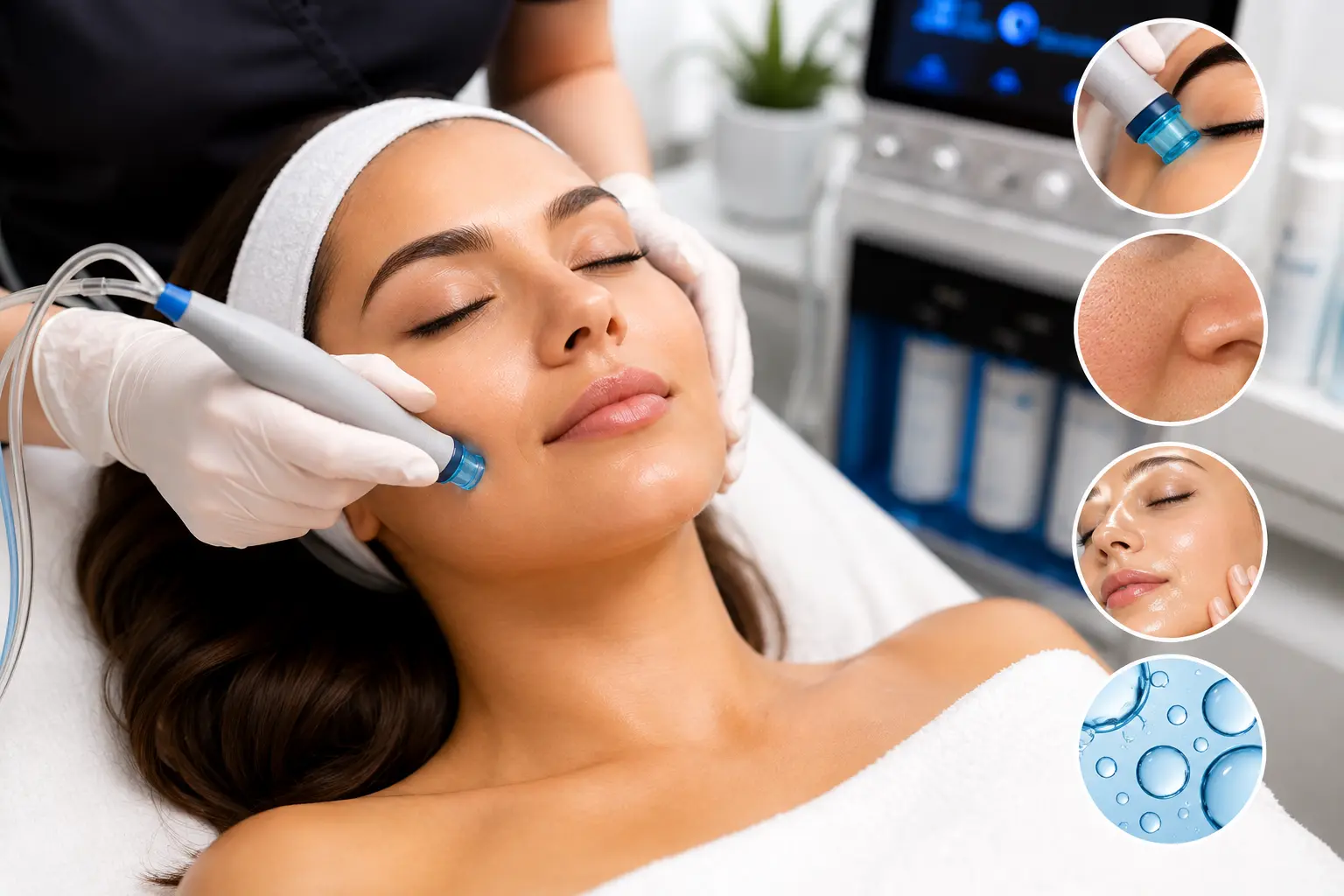
A HydraFacial is designed to combine cleansing, exfoliation, extraction, and hydration into one treatment. The branded HydraFacial system uses Vortex-Fusion technology and specialized tips to remove surface debris and impurities while introducing conditioning solutions and serums to the skin.

The treatment generally includes several core steps:

Cleansing and exfoliation: The skin is cleansed while the outermost layer of dead skin cells is gently exfoliated.

Peeling: A mild chemical exfoliation step can help loosen surface buildup and improve the appearance of skin texture.

Extraction: Gentle suction is used to remove oil, debris, and impurities from pores.

Hydration and infusion: Hydrating ingredients such as hyaluronic acid and antioxidant-containing solutions are introduced to the skin.

Treatment protocols can also be customized with additional boosters, LED light therapy, or other options depending on the provider and the patient’s goals.

Because the treatment addresses several aspects of basic skin maintenance at once, it can be particularly appealing for patients who want smoother, cleaner, more hydrated-looking skin without significant interruption to their normal schedule.

Key HydraFacial Benefits for Your Skin

The exact results vary according to your skin condition, treatment protocol, and skincare routine, but several HydraFacial benefits make the procedure popular.

1. Removes Surface Buildup

Dead skin cells, oil, and environmental debris can accumulate on the skin’s surface and contribute to a dull or rough appearance. Exfoliation helps remove this buildup and can leave the skin looking smoother.

HydraFacial’s combination of exfoliation and cleansing is designed to provide this resurfacing effect without the more aggressive approach associated with some traditional resurfacing procedures.

2. Helps Clear Congested Pores

The extraction stage uses controlled suction to help remove impurities from pores. This can be useful for people who experience congestion, excess oil, or visible blackheads.

A small clinical study evaluating a series of HydraFacial Clarifying Treatments in adults with mild-to-moderate acne found improvements in acne severity over a 12-week treatment period. However, the study involved only 20 participants and was not blinded, so its results should not be interpreted as proof that HydraFacial is a universal acne treatment.

3. Supports Hydrated-Looking Skin

Hydration is one of the defining characteristics of the treatment. HydraFacial protocols can infuse the skin with hydrating solutions containing ingredients such as hyaluronic acid.

Proper hydration can make skin appear smoother, softer, and more supple. This is one reason patients often notice a fresh, dewy appearance after treatment.

4. Improves the Appearance of Skin Texture

Exfoliation and removal of surface buildup can make uneven skin texture appear smoother. While a HydraFacial is not a substitute for treatments designed to address deeper scarring or significant skin laxity, it can be useful as part of a broader skincare plan focused on maintaining a refined complexion.

5. Creates a More Radiant Appearance

A combination of exfoliation, extraction, and hydration can temporarily improve the overall appearance of the skin. HydraFacial describes the treatment as producing an immediately visible glow, while Cleveland Clinic similarly notes that patients can experience smooth and radiant-looking skin after treatment.

This makes the treatment particularly appealing before an event, photo session, vacation, or other occasion where you want your skin to look refreshed.

HydraFacial vs Regular Facial: What’s the Difference?

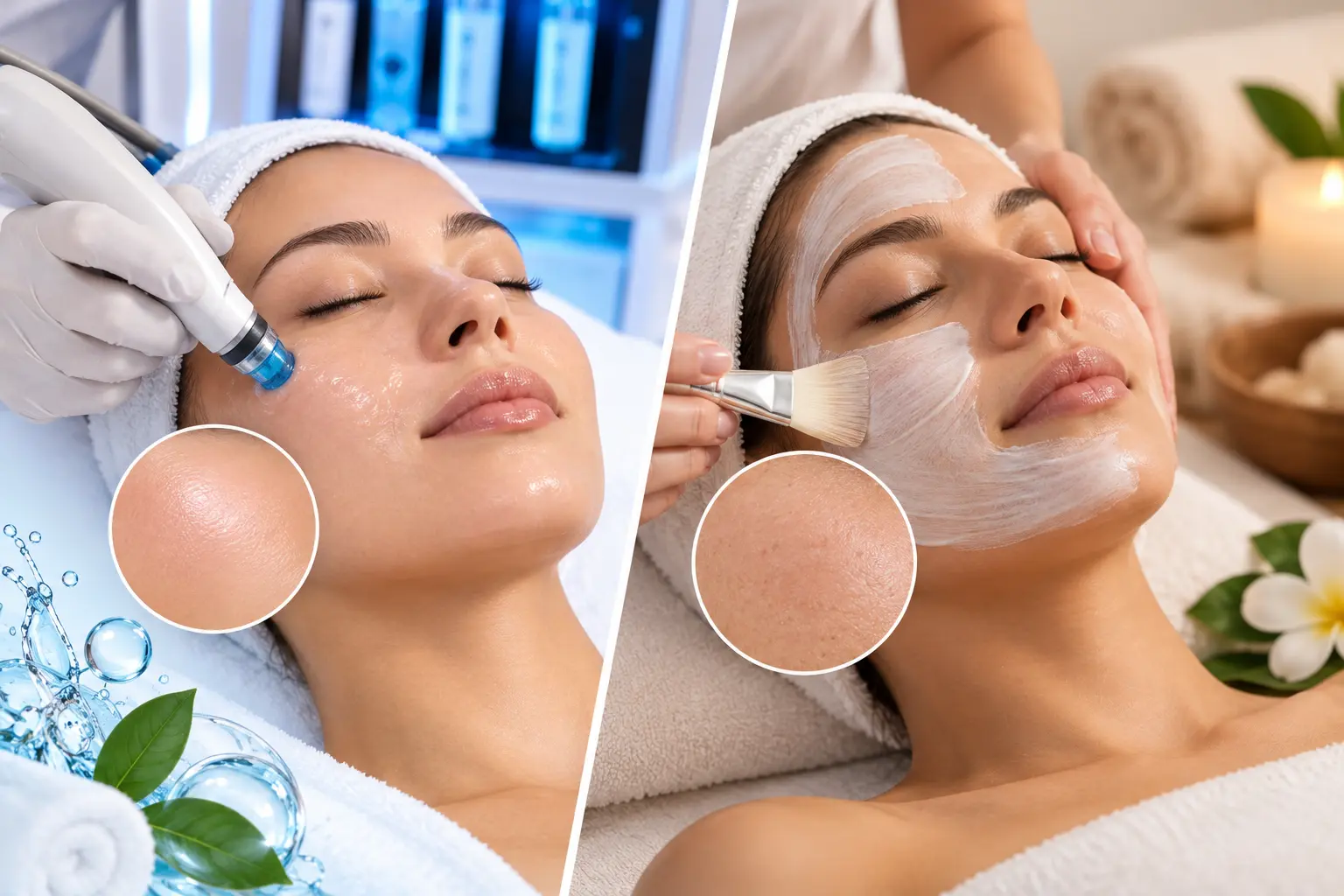
When considering HydraFacial vs regular facial, it is important to recognize that a regular facial is not one standardized treatment. Different spas and skincare professionals may use different products, techniques, equipment, and treatment steps.

A traditional facial may include cleansing, manual exfoliation, steam, massage, masks, and manual extractions. A HydraFacial uses a specific device-based system that combines exfoliation, extraction, and hydration in a structured treatment protocol.

One advantage of HydraFacial technology is consistency. The device is designed to perform multiple steps efficiently while allowing treatments to be customized.

However, that does not mean a HydraFacial is automatically better than every traditional facial. The quality of a facial depends heavily on the provider, products, techniques, and treatment goals. SkinCeuticals notes that comparing HydraFacial with a regular facial is difficult because results from both are influenced by provider skill and product quality.

The better choice depends on what your skin actually needs.

HydraFacial Results Before and After: What Should You Expect?

Searching for HydraFacial results before and after photos can give you an idea of how the treatment may look, but photographs should not be treated as a guarantee of your own outcome.

After a HydraFacial, many patients notice that their skin looks cleaner, smoother, and more hydrated. The visible glow can occur relatively quickly because the treatment exfoliates surface buildup while replenishing moisture.

The results are generally cosmetic rather than permanent. A single treatment can provide a temporary improvement in appearance, while repeated sessions may be used as part of a longer-term skin-maintenance routine.

Your results may also depend on factors such as:

  • Your baseline skin condition
  • Oil production and pore congestion
  • Hydration levels
  • The treatment protocol selected
  • Any boosters or additional treatments
  • Your daily skincare routine
  • Sun exposure and lifestyle habits

Patients should also remember that a HydraFacial is primarily a surface-level rejuvenation treatment. Significant acne scarring, severe inflammatory skin conditions, pronounced wrinkles, or substantial skin laxity may require a different treatment strategy.

How Often Should You Get a HydraFacial?

One of the most common questions is how often should you get a HydraFacial?

There is no universal schedule because treatment frequency should be based on your skin type, concerns, and treatment goals. HydraFacial’s current FAQ states that many clients schedule treatment approximately once a month, while others may find that treatments every two to three months meet their needs.

For general maintenance, a monthly treatment is commonly used. Some people may benefit from a different schedule depending on their skin’s response.

The important point is that more frequent treatment is not automatically better. Your provider can determine an appropriate interval based on how your skin responds and whether you are combining HydraFacial with other exfoliating or cosmetic treatments.

Consistency, combined with an appropriate at-home skincare routine and sun protection, is typically more useful than simply increasing treatment frequency.

Is HydraFacial Good for Different Skin Types?

HydraFacial is designed to be customizable, which is one reason it is commonly used for a wide range of skin concerns and skin types. The manufacturer states that its treatment platform is designed for a broad range of skin types, tones, and concerns, with customization available through different solutions and boosters.

Still, suitability should be assessed individually.

If you have active skin irritation, an infection, an impaired skin barrier, or another dermatologic condition, you should discuss it with your skincare professional before treatment. The type and intensity of exfoliation may need to be modified, or another treatment may be more appropriate.

A personalized assessment is especially important if you are already using prescription-strength skincare products or undergoing other cosmetic procedures.

HydraFacial Arlington TX: Choosing the Right Provider

For patients searching for HydraFacial Arlington TX, choosing a qualified and experienced provider is an important part of the treatment decision.

The equipment is only one part of the experience. Proper skin assessment, appropriate product selection, treatment customization, and professional technique all influence the outcome.

Before booking, consider asking what type of HydraFacial protocol is being offered, what products or boosters are included, whether the treatment is customized for your skin, and what aftercare is recommended.

You can explore Glo & Glam to learn more about available aesthetic treatments and services. You can also review their locations to find a convenient option.

Patients interested in improving overall skin appearance may also want to explore other options alongside HydraFacial. Glo & Glam offers laser treatments and a broader selection of medspa services, allowing treatment plans to be tailored around individual aesthetic goals.

You can also check the latest specials or review available financing options when planning your treatment.

Final Thoughts on HydraFacial Benefits

The appeal of HydraFacial comes from its ability to combine several skincare steps into one streamlined treatment. It cleanses, exfoliates, extracts, and hydrates the skin while allowing additional customization based on individual concerns.

The most noticeable HydraFacial benefits often involve smoother texture, cleaner-looking pores, improved hydration, and a brighter, more refreshed complexion. However, results are individualized and are generally best viewed as part of a consistent skincare strategy rather than a permanent solution to every skin concern.

For patients considering a HydraFacial in Arlington, TX, a consultation can help determine whether the treatment is appropriate for your skin and whether additional services may better address your specific goals.

Frequently Asked Questions

What does a HydraFacial do?

A HydraFacial combines cleansing, exfoliation, extraction, and hydration in one treatment. Specialized device technology helps remove surface buildup and impurities from pores while hydrating solutions and serums are applied to the skin. The result is typically smoother, cleaner, and more hydrated-looking skin.

How long do HydraFacial results last?

The visible glow from a HydraFacial is temporary and varies from person to person. A single treatment can provide an immediate improvement in hydration and overall appearance, while maintaining those results may require a consistent skincare routine and periodic treatments.

Is HydraFacial better than a regular facial?

Not necessarily. A regular facial can provide many benefits when performed by an experienced professional using appropriate products and techniques. HydraFacial differs because it uses a standardized device-based approach that combines exfoliation, extraction, and hydration. The right option depends on your skin and treatment goals.

How often should you get a HydraFacial?

Many people schedule a HydraFacial about once a month for ongoing maintenance, while others may prefer treatments every two to three months. Your ideal schedule depends on your skin type, concerns, treatment plan, and how your skin responds.

Can HydraFacial help with clogged pores?

Yes. One component of the treatment uses gentle suction and extraction to remove impurities and debris from pores. This may help improve the appearance of congested skin and contribute to a cleaner-looking complexion. HydraFacial’s extraction step is specifically designed for this purpose.

Is there downtime after a HydraFacial?

HydraFacial is generally considered a noninvasive treatment with little to no downtime. Cleveland Clinic describes its Signature HydraFacial as a noninvasive resurfacing procedure with no downtime. Individual skin sensitivity can still vary, so your provider should give you specific aftercare instructions.

Is HydraFacial good for dry skin?

HydraFacial can be useful for people concerned with dehydration because hydration is a core part of the treatment. The procedure can infuse the skin with hydrating ingredients, including hyaluronic acid-containing solutions, which can leave the skin looking more supple and moisturized.

Can I get HydraFacial if I have acne-prone skin?

Some HydraFacial protocols may be appropriate for acne-prone or congested skin, but the treatment is not a cure for every type of acne. A small clinical study found improvement in mild-to-moderate acne after a series of clarifying HydraFacial treatments, but larger studies are needed. A professional evaluation can determine whether HydraFacial is appropriate for your specific skin condition.

Scary Skin-Care Ingredients You Should Never Put on Your Skin

6 Skincare Ingredients You Should Avoid at All Costs

We’ve all seen a new, exciting skincare product blow up in stores and all over social media — and we know how exciting it can be to hop on the new trend train. However, a lot of these products are not exactly known as ‘clean’ beauty products, and all the hype surrounding their release can cloud you from how damaging the ingredients of the product are for your skin.

No matter how pretty the packaging is, if the skincare product you’re using or are interested in includes these ingredients, leave it on the shelf.

1. Parabens

Did you know that about 70-90% of cosmetic products contain parabens? These are preservative chemicals that mimic estrogen and help give off a radiant, youthful appearance — but at the cost of your skin’s health. Parabens can be found in many major brands of makeup, moisturizers, and shaving creams, and have been linked to breast and skin cancer and are easily absorbed, causing them to spread throughout your body.

Before choosing a product, make sure the label reads ‘paraben free’, and check the ingredients list to be sure.

2. Phthalates

Wonder how your foundation sticks to your skin so well? You can thank phthalates — not a Greek god, a group of chemicals used to increase the flexibility of plastics in cosmetics.

Phthalates have been known to be extremely troubling for children (resulting in its ban from children’s products) and have been documented as endocrine-disrupting and birth defect-causing substances.

3. Fragrances

Your favorite cleanser may smell like eucalyptus, but does it actually contain eucalyptus? If a skincare company lists “fragrance” as one of their ingredients, they aren’t required to disclose the actual chemicals that make up this fragrance.

This means that the calming or enticing scent in your product could be any number of irritating chemicals that can harm your skin — or even cause asthma, allergies, and hormone disruption.

4. Formaldehyde-Releasing Preservatives

Here’s a pro tip: formaldehyde has no place in your skincare. Yet, many cosmetic companies get away with adding this colorless, strong-scented, and flammable gas to their products. How? By disguising it as one of these ingredients:

  • DMDM hydantoin
  • Diazolidinyl urea
  • Imidazolidinyl urea
  • Methenamine
  • Quaternium-15
  • Sodium hydroxymethylglycinate
  • Bronopol (2-bromo-2-nitropropane-1, 3-diol)
  • 5-Bromo-5-nitro-1,3-dioxane

That’s a lot of words — so you may want to screenshot this list and bring it to the store with you!

5. Petrolatum & Lead

We wish we were kidding with this list of ingredients, but we’re not. Petrolatum contains polycyclic aromatic hydrocarbons (PAHs), and exposure has been linked with cancer, skin irritation, and allergies.

Lead is used in a wide variety of makeup products, and it’s a neurotoxin. This means that lead can cause behavioral and learning problems, like a lowered IQ.

6. BHT

Butylated hydroxytoluene (BHT) is a cocktail of synthetic antioxidants that are used to extend the shelf life of many cosmetic products. They are also likely carcinogens and hormone disruptors that may cause liver damage.

Gain Back Your Glo With Our Team

If this list of products made you question what ingredients are in your skincare products — we don’t blame you. Luckily, our team at Glo & Glam is here to help you find the perfect routine for your skin that won’t cause damage.

Check out our services online, and contact us today to book your first consultation!

Categories: